
OnlyFans free pages should be verified before you click, and the check takes about two minutes. A claimed zero-cost account is only safe when the username, join date, and payment behaviour all line up. This guide sets out a verification protocol for that process, treating every off-platform claim as unproven until platform-native signals confirm it. Ranking sites such as BestOnlyFans form one layer of that check, not the whole of it.
The problem is structural, not personal. OnlyFans has no built-in discovery feed or directory, so anyone searching for free pages necessarily works through social posts, forum threads, and third-party listings.

The Impersonation Risk in Off-Platform Free Page Links
A scammer downloads a creator’s public photos, copies the bio wording, and registers a username one character away from the original.
Four patterns account for the majority of cases, and each fails differently under inspection.
| Impersonation Type | Risk to Subscriber | Detection Method | Severity |
|---|---|---|---|
| Copied-content page | Card data collection under a familiar profile | Reverse-check the photo set against the original account | High |
| Completely fake creator | Full phishing of login credentials | No linked socials, no posting history, generic bio | Critical |
| Typo-squatter username | Payment redirected to an unrelated party | Letter-by-letter comparison with the known handle | Medium |
| Promotion hijacker | Expired offer used as a lure | Check whether the promotion still appears on the official profile | Medium |
The leakiest point is the card form. A page can advertise a free subscription and still request card details during signup, because the platform uses a verification hold rather than a charge.
Tip: never enter card details on a page reached from a shortened link or a screenshot. Navigate to the profile yourself, from the official site, and confirm the page is still live before typing anything.
One reliable habit is to read the bio for details that a scraper would have captured months ago, such as a schedule that no longer matches the post history.
Cross-Platform Consistency Checks Before Clicking
If a page claims to belong to a creator with a Twitter/X account, the handle should match, the linked URL should point to the page in question, and the account age should be plausible rather than days old.
Work through these checks in order.
- Confirm an exact username match across every platform the creator claims to use, including spacing and underscores.
- Follow the bio link from the social profile rather than typing the address from a screenshot.
- Compare account creation dates; a social profile that predates the paid page is normal, the reverse is not.
- Sense-check the follower-to-engagement ratio; large follower counts with almost no replies usually indicate purchased numbers.
- Preview recent posts on both platforms and confirm the same content appears in the same period.
Engagement patterns matter more than totals. A genuine page with a modest following tends to show replies spread across weeks, while an inflated one shows bursts around a single date.
A Linktree or similar landing page helps only if it was created before the claim you are checking. Anyone can build one in ten minutes to support a fake profile, so treat it as supporting evidence rather than proof.
Platform-Native Verification Signals Inside OnlyFans
The join date is visible, the post count is visible, and the media library either matches the claimed output or it does not. These signals are stronger than anything a directory can publish, because they come from the account itself.

- Join date visible on the profile and consistent with the account’s claimed history.
- Media and post counts that scale together rather than one vastly outpacing the other.
- A tip menu that lists what tips are for, rather than a single unexplained request.
- PPV pricing that stays within the normal unlock range instead of shifting every few days.
- Response times that roughly match what the bio promises, checked over a week rather than an hour.
The verified badge is worth understanding correctly. Its absence is not evidence of fraud, and its presence is not a guarantee, because verification confirms identity rather than conduct.
Post frequency, spread over a long window, is the single hardest thing for an impersonator to imitate.
Using BestOnlyFans as a Secondary Verification Layer
BestOnlyFans, as a ranking-methodology brand, publishes crawl timestamps and price histories that show whether a free claim is long-standing or appeared last week.
Four data points are worth extracting before you commit to anything.
- Listing archive depth, which shows how long the page has been tracked rather than merely mentioned.
- Price history, which reveals whether the current free status follows a paid period or precedes one.
- Last crawl timestamp, which tells you how stale the listing is and whether the page still exists.
- Associated social link validation, which confirms the handles listed actually resolve to live accounts.
If the price history shows a paid period that ended abruptly, the free status is probably a promotion rather than a permanent feature.
No listing site replaces your own inspection, and directories that also sell promotion slots should be read with that in mind. For a wider set of tracked pages, some readers compare listings against free only fans alternatives to see whether a claim appears in more than one index.
Card Verification Hold Risks on Unknown Free Pages
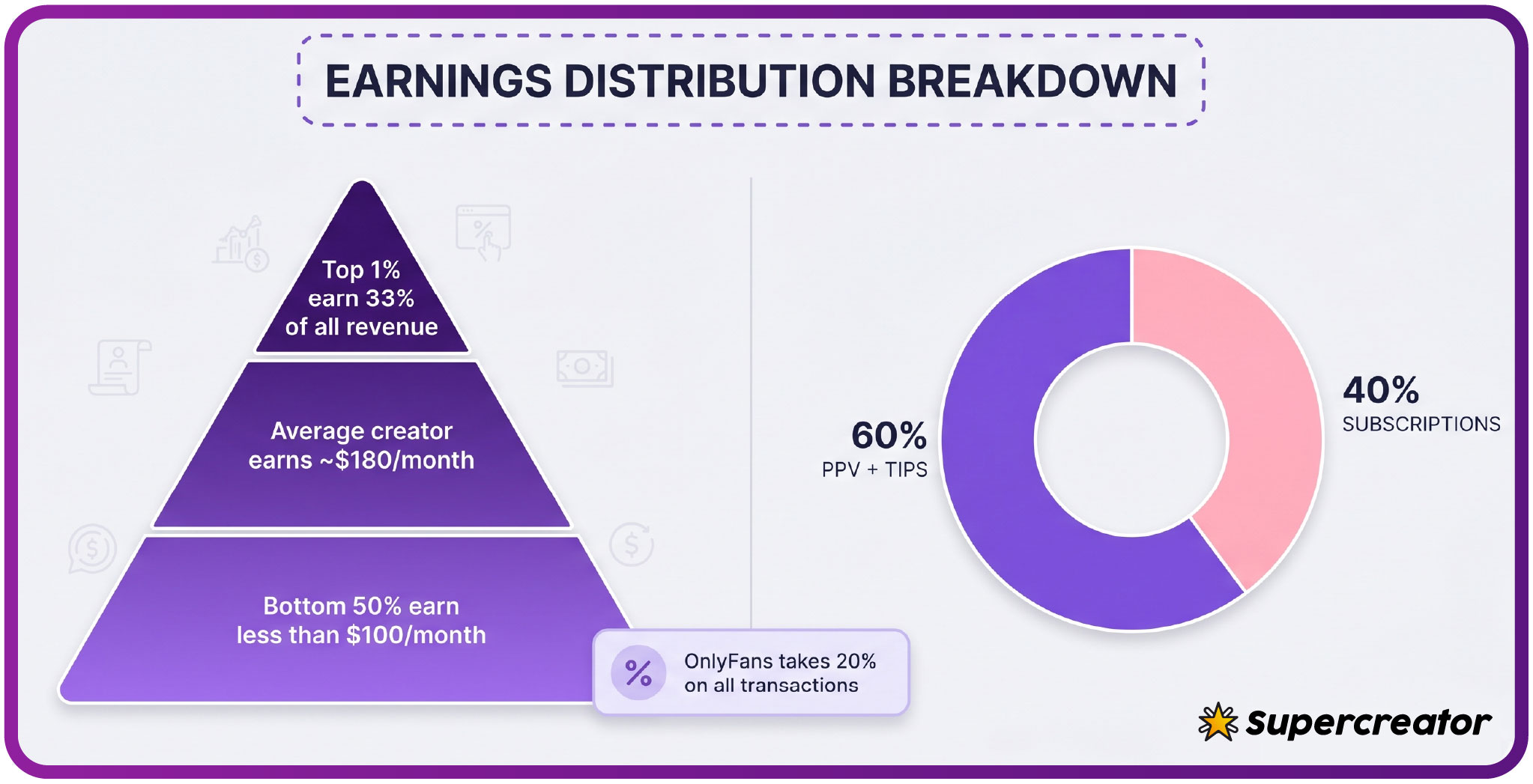
The platform applies a small authorisation of $0.10, refunded within days, to confirm the card is valid. That mechanism is legitimate, but it is also the reason fake pages request card details at all.
Exposure rises at each stage of the signup, and each stage has a different response.
| Signup Stage | Data Exposed | Financial Risk | Recommended Action |
|---|---|---|---|
| Email collection | Email address only | Spam and credential-stuffing attempts | Use a dedicated address |
| Card number entry | Full card details | Unauthorised charges and resale of data | Stop unless the domain is confirmed official |
| Verification hold authorisation | Card validity and issuing bank | Minimal, refunded within days | Proceed only after the profile checks pass |
| First PPV purchase authorisation | Full billing history | Recurring unlocks up to $50 per message | Set a spending limit beforehand |
Paid chat commonly runs $3 to $5 per message, and tips can reach $100, so a single session on an unfamiliar page can cost more than the subscription ever would.
Abort the signup if the domain differs from the official one, if the page requests a card before showing any content, or if the profile you verified a moment ago cannot be found again through the site’s own search.
Recognizing Promotion Expiration and Bait Switches
Promotional first months can legitimately sit below $4.99, for example $3 for the first month, while base prices may not go under $4.99. That rule makes low advertised prices a useful filter: a permanent claim of $1 is not something the platform supports.
Paid subscriptions run from $4.99 to $49.99, with most clustering between $5 and $10, and a page moving from free to paid is following a normal path rather than doing anything wrong.
- A sudden follower influx that suggests a promotion is being pushed hard before it ends.
- Ambiguous “limited time” language with no stated end date.
- A price change history showing the page was recently free after months of paid access.
- Pinned posts announcing a move to paid subscriptions.
- Inconsistent messaging about whether existing subscribers keep access.
Platform rules are clear on one point: when a creator raises the price, auto-renew stops and existing access lasts until the paid period ends. You are not charged the new rate without action, but you also lose access once the period closes.

Secure Browsing Environments for Exploration
Cookies, saved cards, and autofill data are what turn a careless click into a real problem.
- Use a browser container or profile with no saved cookies and no autofill entries.
- Enable DNS-over-HTTPS so lookups are not readable on the local network.
- Route through a VPN exit node in a privacy-friendly jurisdiction if you are on public Wi-Fi.
- Keep payment details out of the browser until every verification step has passed.
- Note any page that blocks screenshots or tries to install an extension before showing content.

A separate container also prevents a fake page from reading sessions you are already logged into elsewhere. That alone removes most of the value in targeting an experienced user, which is why the basic habit discourages repeat attempts.
Reporting Suspicious Pages and Protecting Others
Reporting is short and worth doing. The platform’s reporting flow accepts profile-level complaints, and the help centre documents the categories that get reviewed fastest, including impersonation and payment misrepresentation.
Gather three things before filing: the exact username, the platform where you encountered the link, and a timestamp. Enforcement teams work from specifics, and a report that names a handle is actionable where a general complaint is not.

Community norms help too. Forum threads that flag a dead or impersonated link save the next reader the same twenty minutes, provided the warning is dated and specific rather than a general complaint about the platform.
Keep your own record of verified handles. A short note listing usernames you have confirmed, with the date of the check, is faster than repeating the process every time a link resurfaces in a feed.

FAQ
If an external site claims a page is free, how do I confirm that before adding any payment method?
Navigate to the profile yourself from the official site and check the subscription price shown on the page itself. If the figure matches the external claim and the username matches the creator’s linked socials, the claim holds. If you cannot reach the page without a shortened link, treat the claim as unverified.
What does it mean if the ranking site shows a price history different from what the current link advertises?
A history showing a paid period that ended days ago points to a promotion, so plan for the price to return once it closes.
Why would a scam page charge zero dollars but still be dangerous?
Because the money is not the objective. A page advertising a free subscription still collects an email and often a card number, and both have resale value. The $0.10 verification hold exists to confirm card validity, which means card entry is the moment of real exposure.
How can I tell if a “free” page is about to convert to paid and lock me out?
Look for pinned announcements about going paid, ambiguous limited-time language, and a recent spike in followers that suggests a promo push. Auto-renew stops when a creator raises the price, so existing access continues until the paid period ends rather than cutting off immediately.